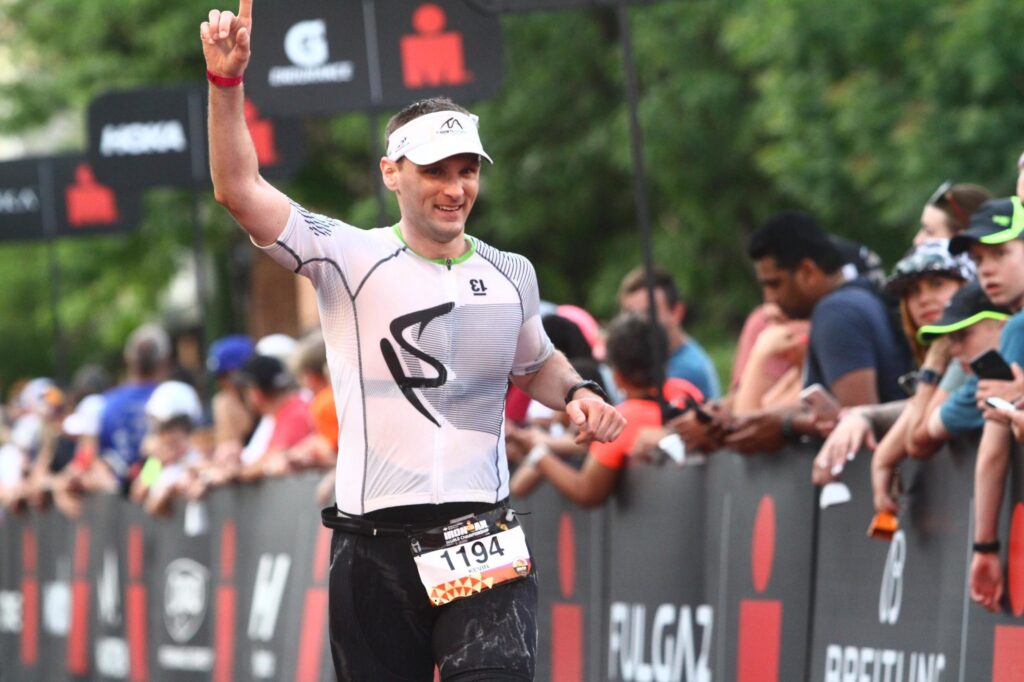
Ironman St. George 2022
May 19, 2022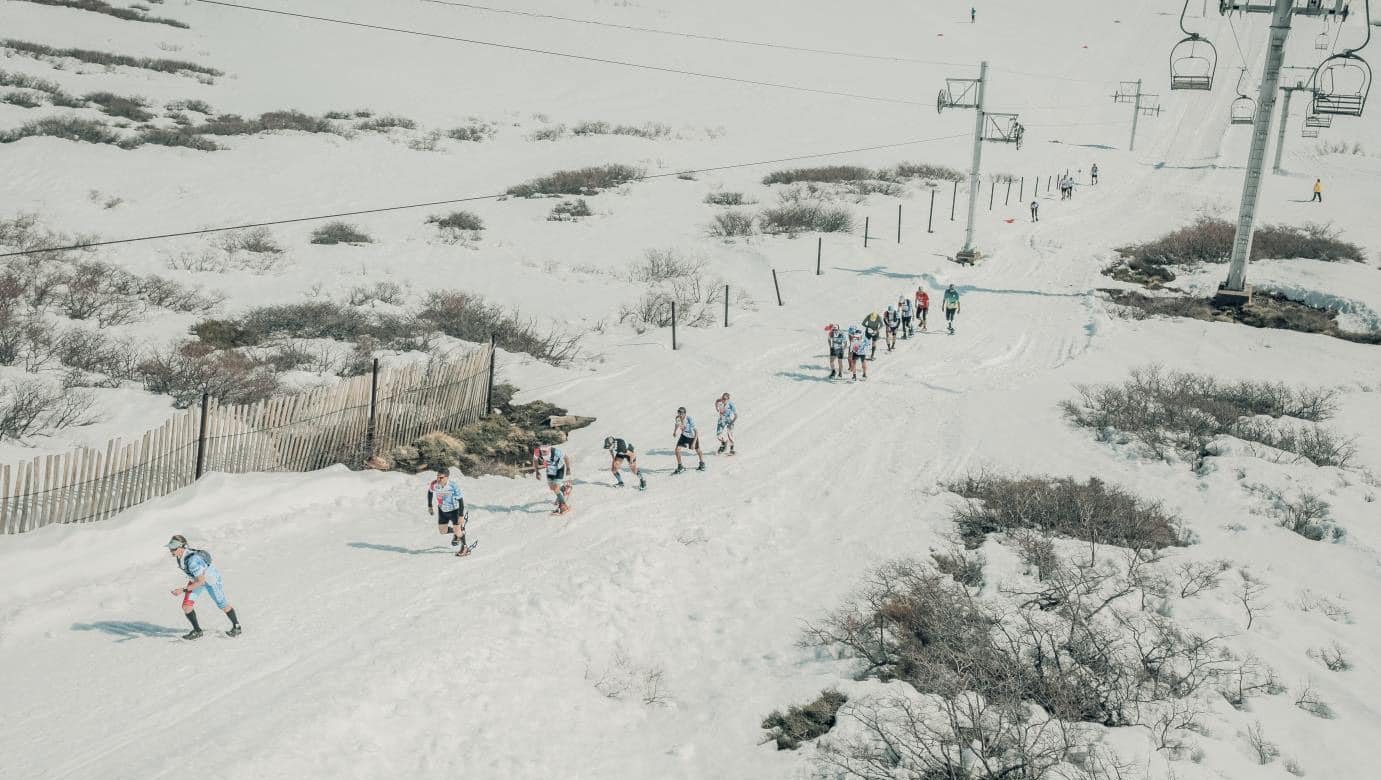
Copahue Extremo 2022
September 16, 2022FOMO In Alaska
This was my FOMO race and my second destination racecation of the year, all sparked by the excitement around Ironman Alaska 2022. I signed up the week it went up for preorder and thought, “When else will I have a good excuse to go to Juneau?”
Somewhere around 1,200 to 1,400 people initially registered for the race. It sold out a week after it went public. Around 850 athletes actually made it to the starting line. Getting there and getting organized felt just as nerve-racking as the race itself. Obstacles popped up for athletes at every turn.
Juneau Hospitality And Logistics
The city and people of Juneau stepped up in a huge way during Ironman Alaska 2022, and their generosity helped make the event such a success.
Accommodations sold out very quickly. Locals offered rooms or entire homes to athletes who could not find space. Rental cars were almost impossible to find. People offered rides, assistance, and even their own cars for rent on Turo. Ironman also organized shuttles for the week.
Less than three weeks before the race, Alaska Air sent an email saying there might not be enough cargo space for bikes. The local bike shop bent over backward as a shipping point and helped athletes line up ferry and cargo options. The CEO of Alaska Air, an Ironman finisher himself, rerouted cargo so athletes could bring bikes on the few available flights.
Packing For Every Season
Then there was the weather. Ironman Alaska 2022 meant preparing for true rainforest conditions, since Juneau sees rain at least half of the time in every month.
Trying to pack for every possible condition felt like packing the entire kitchen sink. I brought layers for cold, wet, warm, and dry weather because I wanted to be ready for anything.
Race Week Adventures
My dad and I flew from Detroit to Seattle and then up to Juneau on Alaska Air for Ironman Alaska 2022. We did a helicopter excursion on what turned out to be the best day of the week and walked around on the Herbert Glacier. We had originally planned a dogsledding trip, but they closed the camp the day before because of wet weather.
After the race, we hiked around the Mendenhall Glacier and parts of the course. We had a great time exploring the downtown shops and finding all the good places to eat. Words do not really capture how much fun I had. I would go back and do it all again in a heartbeat.
Rambling Race Report
Here’s how Ironman Alaska 2022 unfolded for me.
Race Morning
Early Wake-Up & Pre-Race Prep
Race morning started early. My alarm went off at 3:15 and I had been waking up on and off all night from nerves. I grabbed a quick breakfast of a blueberry bagel with crunchy peanut butter and a banana. The restroom visit was a no-go. My plan was to drive to Thunder Mountain High School early to give myself plenty of time and avoid feeling rushed.
Transition Setup in the Rain
The shuttle system worked well. It only took about 10 minutes to get to the transition area. My dad, serving as both Sherpa and cheer squad, was allowed on the bus and followed me to the swim start.
We were not allowed to put any nutrition out on the bikes or in the transition bags because of the local wildlife. I used this time to set up my hydration and food and pump my tires to 90 psi, since I had skipped it the day before in the rain.
None of the stickers stayed on the bags because of the constant rain, so I was glad I had marked everything with a Sharpie earlier. I had also placed plastic cups upside down over the openings to keep water out overnight. After putting everything where it needed to be, for some reason I loosely knotted the bags closed again. That decision would come back to haunt me later.
Final Steps Before the Swim Start
I found the portapotties and finally had some success. Then I changed out of my morning warmups, pulled on borrowed Zoot thermal booties and my Xterra wetsuit, and headed to the boat dock.
Swim (35:35, Half Distance)
Last-Minute Changes & Pre-Start Nerves
Shortly before the start of Ironman Alaska 2022, Mike Riley came over the loudspeaker with an announcement from the race officials. They decided to cut the swim in half to 1.2 miles and pushed the start time back to 6:30 so the bike course would be ready. Water temperature had dropped to 56°F after two straight days of rain and the air temperature hovered in the low 50s. At least the rain had stopped that morning, so we were not standing around soaked.
The delay took some energy out of the crowd. Then the music cranked up again and the atmosphere came back to life. I tried to focus on what I needed to do.
I waited until the last few minutes to zip my wetsuit. I did not want to overheat, then hit the cold water and set off a panic attack, which had happened in my first triathlon. Mike Riley walked up the starting ramp through the line of swimmers, high-fiving athletes. I almost scored another high-five, like in Wisconsin, but he passed just out of reach.
A local group from Juneau sang the national anthem in three-part harmony. It broke the tension. The cannon fired and the race began.
Cold Shock & Settling Into Rhythm
I knew the water would feel brutal. My practice swim on Thursday had already told me that. The goal was simple: breathe and relax. I took a few steps down the boat ramp, then dove in to rip off the band-aid and get fully submerged. The cold still took my breath away. It took a few minutes before my shallow panic breathing settled, but once the shock passed, things went much better.
Thermal booties turned out to be a great choice and the wetsuit did its job. Only my hands and face stayed cold.
Finding Flow in Auke Lake
Taking in the Scenery
Early in the swim, I stopped for a moment to defog my goggles so I could actually see Auke Lake. With a single lap instead of two, I wanted to take in the scenery and the thick forest around us. At first, I felt disappointed that the swim had been shortened. I wanted a shot at my best full-distance time. Looking back, it was the right call. I would be in the water for half the time some swimmers needed to reach the 2 hour 20 minute cutoff. Staying in that water twice as long would not have been safe.
Aside from a Polar Plunge event in Minnesota, this was the coldest water I have ever stayed in.
Mindset Shifts in the Water
I seeded myself in the middle of the 1:00 to 1:10 group and passed a handful of swimmers, which gave me a nice early boost. There was plenty of open water to move through. Because the course did not run directly parallel to the shore, I drifted off the buoy line once or twice and then corrected. It would not be the last time that day I caught myself looking too far ahead. I reminded myself to stay present and focus on what was happening right around me.
Final Stretch to the Dock
By the end of the swim, I was not completely wiped out, but I could tell my pull had faded. My half-distance and full-distance swim paces are similar. I do not have a higher gear right now, so I aimed for steady. Peeing in my wetsuit just was not happening, likely because of the cold. Finally, I pushed through the last shortened leg and climbed out on the side of a small boat dock.
T1 (19:04): Longest Transition Ever
Struggling Out of the Water
Two volunteers in full wetsuits helped me out of the water. Everyone struggled to find their footing once we were back on land. I am not sure how I would have done if we had to swim the full distance.
We had a short climb to a clearing with the wetsuit strippers. I pulled off my watch so it would not get stuck in the sleeve. Instead, it jammed inside the suit with my hand clenched around it. I had to release my grip like a dog dropping a bone so they could pull my arm free. I awkwardly dug the watch out of the suit while jogging the almost half mile up to transition. Not everything was carpeted, so I stayed grateful for the neoprene booties instead of bare feet on bumpy concrete.
Chaos in the Changing Tent
I grabbed my bike bag, took a quick bathroom break, and headed into a very crowded changing tent. Maybe it would have been more spread out if we had swum the full distance, but every chair was full and athletes were crammed together. I found a spot in the back near a pole so I could lean for balance.
My fingers barely worked. I struggled to untie the knot in my bag and it felt like forever. Eventually I dumped everything out. The ziplock bags kept my gear dry. I changed completely out of my wet tri suit and into my cycling kit.
Layering Up for the Bike
For days I had gone back and forth about race clothing. Would I be overdressed? Underdressed? Would I have to stop because of hypothermia? In the end, I got it mostly right. I pulled on arm warmers I had bought in midsummer just for this event, long socks, half-finger gloves, and an Apex vest from a teammate. The sky was still gray and more rain was on the way, so I grabbed my backup clear glasses.
Lessons Learned & Heading Out
If I could do it again, I would bring shoe covers or use different bike shoes instead of my Lake tri shoes with mesh over most of the upper. They drained water well, but my feet stayed wet the entire ride. Lesson learned. My dad snapped a quick photo as I left the bike racks and headed north on Glacier Highway from the University of Alaska Southeast to the turnaround at the literal end of the road.
Bike (6:25:43)
Rainy Start & Scenic Coastal Miles
A light, steady rain started just as I rode out of town. The first miles of Ironman Alaska 2022 were lined with supporters despite the steady rain. Even out on the more remote parts of the course, a surprising number of people stood at the ends of their driveways or drove out to cheer.
Every so often the trees opened up and revealed incredible views of snowcapped mountains or the channel leading out to the ocean. The route itself was not very technical. It followed a mostly straight out-and-back path along the coast, with flowing turns and gradual rolling climbs. The elevation profile did not look too intimidating, but there was still around 5,500 feet of climbing.
Wildlife Encounters
Around mile 8, I saw a black bear standing on its hind legs in a clearing less than 20 feet away, across a drainage creek. The bear looked back and forth between the road and the bikes, clearly confused, then disappeared. Other racers later told stories about bear and eagle sightings too.

Most of the regular road surface was excellent, with only some tree debris from the previous two days of rain. Flats were still common, likely from riders hitting sharp junk or pinching tires.
Chipseal, Headwinds & Alaska Reality Check
Roughly eight miles before the turnaround, we hit a section of freshly laid chipseal. I should be used to that living in Michigan, but it drained my legs. You could feel the extra rolling resistance immediately. With the wet conditions, I felt uneasy staying in aero on that surface. I moved my hands to the hoods for most of that stretch.
The quarter-distance turnaround for the two-loop course sat near the end of the road. Glacier Highway simply stops and becomes a logging area and trailhead. Coming back from that point, we hit the worst weather of the day: a stiff headwind and heavy rain.
It was one of those sections where you question your life choices and, at the same time, think, “Hey, I am in Alaska. Be here.”
Second Lap Grind & Numb Fingers
Seeing more riders on the out-and-back gave me another boost. Once I got off the chipseal, I felt light again and actually started to enjoy the conditions despite the rain. I slowed down a bit on the second lap but still felt in control and kept the effort steady.
The sun even tried to peek through the clouds during the last half of the bike. My fingers, however, stopped cooperating from the cold and from constant gripping. I fumbled with two or three Picky Bars, even though I had precut the wrappers. I am sure I looked ridiculous trying to open them without a decent grip.
Final Miles Back to Town
After finishing the chipseal for the final time, I focused on the views and spun my legs whenever I could. As we came back into town, I made sure to respect the sharp turns and the roundabout near campus. The last thing I wanted was a crash at the very end of the ride.
I handed my bike to a volunteer and hobbled toward T2. My power numbers landed close to the plan, so I felt good about the bike: about 197 watts average and 219 normalized.
T2 (14:36)
T2 ran long as well because my fingers still did not work properly. Once I opened the bag, I wiped mud and dirt off my legs and cleaned my feet.
I pulled on my newer, still white Hoka Carbon X2 shoes for their second race and first marathon. They felt great. I changed into a dry Apex race suit and kept my arm warmers. As soon as I left the tent, the rain started pouring again. That made the clothing change somewhat pointless, but it felt good to shed the grimy bike gear. The cool air and rain would actually help on the marathon.
Run (3:54:21)
Settling In: A Surprisingly Strong Start
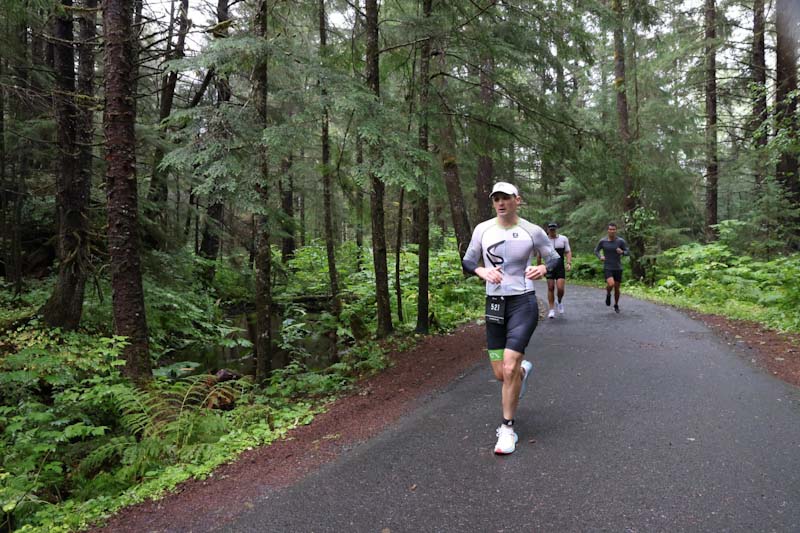
The crowd around transition lifted everyone’s spirits. I got overexcited when I hit the main road and nearly missed the clearly marked arrows that kept us in the wide bike lane instead of on the sidewalk. I laughed and corrected course.
This was the strongest I’ve ever felt heading into a marathon, especially considering the cold and wet conditions of Ironman Alaska 2022. The first part of the run went downhill, which helped my legs turn over. I ended up running close to 8-minute miles for almost half the marathon.